(NEW YORK) — nflation cooled in January, dropping price increases to their lowest level in nine months, new data from the Bureau of Labor Statistics showed. The lower-than-expected reading defied fears of a tariff-induced hike in overall costs.
Prices rose 2.4% in January compared to a year earlier, according to the Consumer Price Index.
Inflation stands at its lowest level since May, but it remains nearly a half-percentage point higher than the Fed’s target rate of 2%.
Affordability remains a concern for many Americans as the political calendar turns closer to election season.
White House press secretary Karoline Leavitt touted the inflation report in a post on X on Friday.
The data, Leavitt said, “shows inflation is declining and the economy is moving in the right direction under President Trump.”
The data arrived days after fresh hiring figures showed stronger-than-expected job growth in January, even though an updated estimate released at the same time indicated a near-paralysis of the labor market last year.
The murky hiring picture marked the latest in a recent series of mixed signals in economic data, which have left observers uncertain about the potential risk posed by elevated inflation alongside sluggish hiring.
Observers closely watched price movements for some household staples, which have faced sharp increases of late.
Coffee prices surged about 18% in January compared to a year earlier, while ground beef prices climbed more than 17% over that span, Bureau of Labor Statistics data showed.
Grocery prices rose at a faster pace than prices overall, climbing 2.9% over the year ending in January, BLS data showed.
Over the past year, hiring has slowed dramatically while inflation has remained elevated, risking an economic double-whammy known as “stagflation.” Those conditions have put the Federal Reserve in a difficult position.
The central bank must balance a dual mandate to keep inflation under control and maximize employment. To address pressure on both of its goals, the Fed primarily holds a single tool: interest rates.
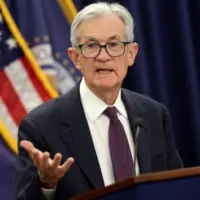
The strain on both sides of the Fed’s mandate presents a “challenging situation” for the central bank, Fed Chair Jerome Powell said in December.
The Fed held interest rates steady at its most recent meeting in January, ending a string of three consecutive quarter-point rate cuts.
The benchmark rate stands at a level between 3.5% and 3.75%. That figure marks a significant drop from a recent peak attained in 2023, but borrowing costs remain well above a 0% rate established at the outset of the COVID-19 pandemic.
Futures markets expect two quarter-point interest rate cuts this year, forecasting the first in June and a second in the fall, according to the CME FedWatch Tool, a measure of market sentiment.
Copyright © 2026, ABC Audio. All rights reserved.